
Waste & Recycling
Keep materials moving while controlling the risks created by heavy plant, vehicle movements, sorting equipment and unpredictable waste streams
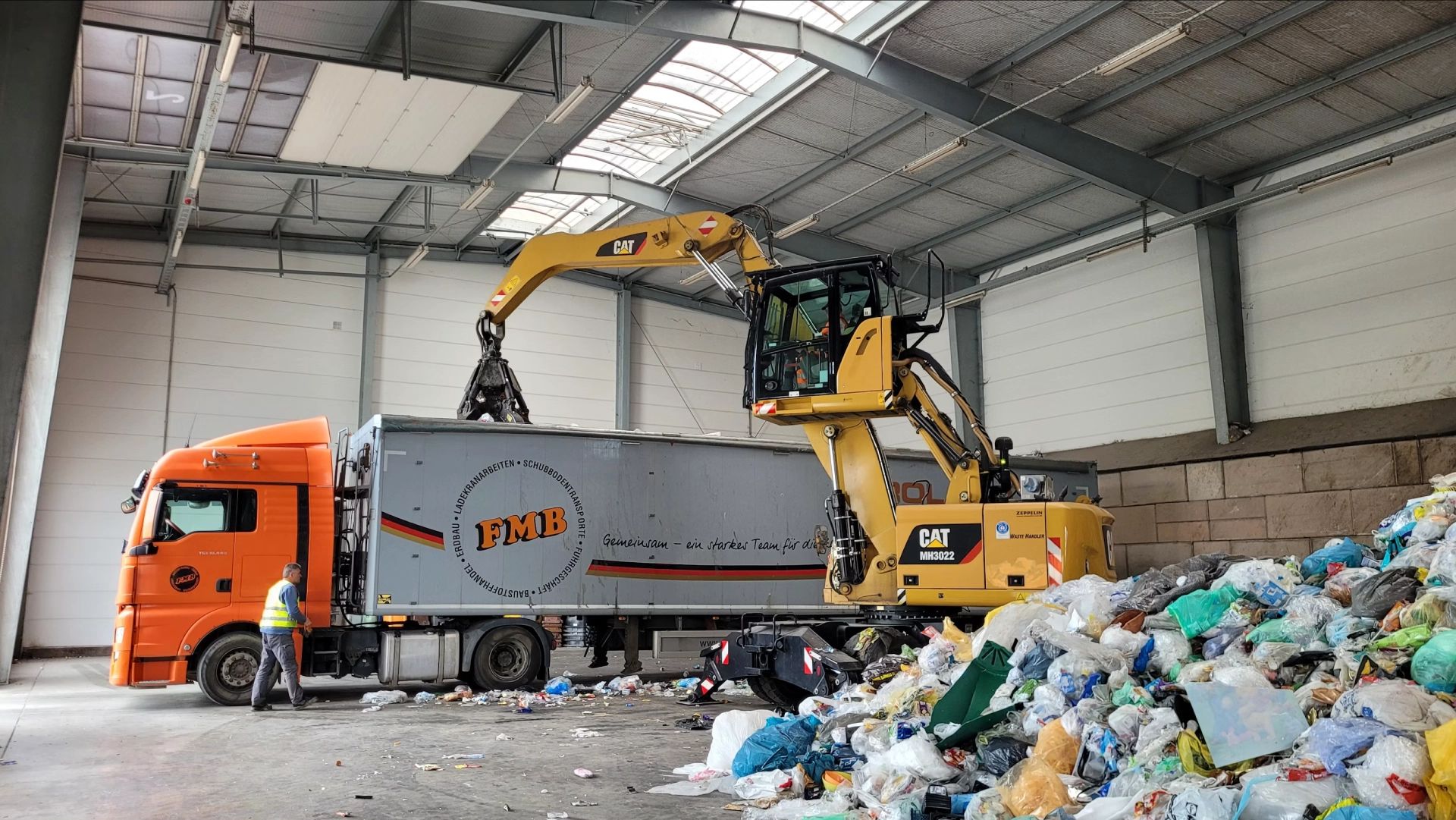
Many of the waste and recycling sector’s most serious incidents involve moving vehicles or machinery. At transfer stations and in busy yards, loading shovels and skip lorries operate close to workers throughout the day. Weak segregation, uncontrolled reversing or inconsistent supervision can quickly lead to severe consequences.
Machinery incidents often happen when someone attempts to clear a blockage before the equipment has been safely isolated, or when guarding is missing or bypassed. These are foreseeable risks that must be controlled under the Provision and Use of Work Equipment Regulations 1998.
Slower harm gets less attention and does at least as much damage. Collection and picking-line work wears out backs and shoulders years before retirement, and your teams handle whatever the public throws away, such as contaminated sharps, bioaerosols from organic waste, dusts or lithium batteries that could cause a fire.
The HSE inspects your safety arrangements in a sector it has repeatedly targeted; the Environment Agency holds your permit, with Defra's reforms adding three-yearly renewals, technical competence checks, digital waste tracking and new powers to suspend permits on the spot.
Support for waste & recycling operators
Waste-site risk and compliance audits
We carry out a detailed review of your waste or recycling site, observing day-to-day activities and examining the procedures, inspections and records that support them. The audit covers collection, tipping, sorting, storage, processing and maintenance, with particular attention given to areas where people interact with vehicles, machinery or unpredictable materials. You receive a prioritised report setting out each finding, the required improvement and a clear order for addressing immediate risks and longer-term compliance gaps. Find out more.
Workplace transport and pedestrian safety
Effective traffic management starts with separating people from moving vehicles and mobile plant wherever possible. We review one-way systems, pedestrian walkways, barriers, reversing controls, blind spots, crossing points and loading areas, as well as arrangements for contractors, visiting drivers and members of the public. Findings are used to create or update a site-specific traffic-management plan with clearly defined routes, rules and responsibilities. Find out more.
Machinery guarding and safe isolation
Your equipment should protect people during production and remain secure whenever someone needs to enter a danger area. We test whether guards, interlocks, emergency stops and access controls provide effective protection, then verify that isolation procedures address electrical, hydraulic, pneumatic and mechanical energy. Any weaknesses are translated into defined engineering, procedural or training actions. Find out more.
Fire and unexpected-waste controls
We help you set acceptance checks, rejection and escalation rules, battery and cylinder identification, quarantine arrangements, stock controls, housekeeping and emergency actions. Where your permit requires a fire prevention or mitigation plan, we align your safety procedures, inspections and evidence with the plan used by your environmental regulator. Find out more.
ISO certification support
ISO certification can strengthen tender submissions, satisfy customer requirements and demonstrate greater control over operational risk. Principal Risk prepares waste and recycling businesses for ISO 9001, ISO 14001 and ISO 45001 by developing the required processes, completing internal audits and organising evidence for external assessment. The standards can be implemented separately or combined within a single integrated system. Find out more.
Frequently asked questions
Start by removing unnecessary pedestrian access and reducing reversing. Then provide separate routes, physical barriers, controlled crossing points, suitable lighting, speed restrictions and clear arrangements for visiting drivers.
Painted lines alone are unlikely to provide enough protection where workers and heavy plant operate close together. Your controls should reflect the site layout, traffic volume, visibility and the types of vehicles using each area.
Your assessment should cover collection work, vehicle movements, tipping, machinery, lifting operations, maintenance, manual handling, noise, vibration, dust, bioaerosols, sharps, asbestos, batteries, cylinders, contractors, temporary workers and public access.
It should also cover abnormal work such as blockages, breakdowns, spill response and fire. HSE groups waste-sector hazards across transport, machinery, lifting and occupational-health exposure.
It depends on your location, environmental permit and the waste you store or treat. In England, permitted sites storing combustible waste must follow Environment Agency fire prevention plan requirements. Wales uses Natural Resources Wales fire prevention and mitigation guidance.
For sites elsewhere in the UK, check your permit and regulator's requirements before changing waste types, stock volumes or storage arrangements.
No. ISO 45001 certification is generally voluntary, and HSE confirms that a formal management system is not required by law. You still need to meet your statutory duties.
The standard gives you a consistent way to manage objectives, competence, audits, incidents and corrective actions across several sites, shifts or operational teams.